

Your website clues Google and AI systems in on what your brand is about. Yet, neither rankings nor AI answers are solely based on what you say about yourself.
Search engines and AI systems rely on information from trustworthy and credible sources when answering queries and surfacing results.
That means how other sources talk about your brand matters for both search results and AI visibility more than you might think.
Said external presence doesn’t happen on its own, though. It requires a solid off-page SEO strategy that helps you build the signals needed to strengthen your authority.
And in 2026, off-page SEO is about more than how many publishers cite you. There are far more ways to build your brand’s presence and influence how search engines and AI systems understand it.
In this article, I'll explain what off-page SEO is, why it matters for both Google and AI search, and share useful tips to help you build an effective off-page SEO strategy in 2026.
Off-page SEO is every optimization effort you make outside your website to build your site's credibility and reputation, which can contribute to improved search rankings.
Traditionally, off-page SEO was mainly focused on building backlinks.
However, modern off-page SEO now focuses on establishing authority and validation across the web through other techniques — including brand mentions, listicles, reviews, citations, digital PR, and community discussions.
These activities give search engines external signals that your business is relevant and worthy of being mentioned in results.
And it’s not only search engines that rely on these signals. AI systems also use information from across the web to discover and surface brands, products, and businesses.
Off-page SEO matters because search engines and AI systems use information beyond your website to understand your business and its relevance to a topic.
For Google, backlinks can support the rankings of individual pages, while editorial coverage, reviews, and brand mentions provide external context about your reputation, expertise, and topical relevance.
For AI search, third-party pages can become sources used to construct answers. When retrieved, their content can influence whether your brand is mentioned, how its capabilities are described, and whether it is recommended for a particular need.
For example, a comparison that describes your CRM as suitable for small B2B teams managing sales follow-ups communicates more than your brand name.
It connects your product to a category, an audience, and a problem it solves. That gives readers, and systems retrieving the page, specific information about when your product may be relevant.
The value therefore lies in both where your brand appears and what the coverage says about it. Relevant placements can also introduce your product to potential buyers and drive referral traffic, independently of any ranking or AI visibility gains.
On-page SEO refers to optimizing elements within your website. Meanwhile, off-page SEO is more about building reputation and visibility through activities outside your website.
Take a look at the comparison table below:
With on-page optimization, you provide relevant, accessible content. At the same time, off-page SEO generates external signals that support your on-page efforts.
Essentially, both approaches work together to support your website from different directions.
As I covered earlier, off-page signals are worth paying attention to because they shape how others perceive your brand, website, and expertise.
Here are the main types of these signals you should care about the most:
These signals help search engines to build a broader understanding of your website beyond the information you present.
Off-page SEO for AI search focuses on building external signals that AI systems use to identify and understand your brand.
AI-powered systems draw information from third-party websites and other external sources to shape their outputs.
If enough sources mention you as a thought leader in your niche, for example, AI systems are more likely to reflect that perception when talking about your brand.
This can also affect how often your brand is recommended.
AI systems build their understanding of your brand from information available online, and most of it comes from third-party sources.
A recent study of AI-generated answers about brands found that 85.7% of the 131,514 URL citations in its main analysis pointed to third-party websites rather than brand-owned domains.
That means these systems don’t rely on your brand name alone. They recognize consistent facts about you mentioned throughout the web.
That’s why every online description of your business, including what you offer and what topics or categories your brand is known for, should communicate the same core information.
This includes not only what others have to say about you, but also your own profiles and listings on platforms such as G2, Google Business Profile, Facebook, LinkedIn, and review sites alike.
When the information about your brand and other entity attributes appears across a large number of sources, AI systems get a clearer context about who you are.
AI engines rely on thematic proximity and entity recognition. That means the stronger association you have between your brand and the topics you are known for, the better.
Repeated and consistent mentions of your brand in association with a particular topic or category help AI systems recognize you as an authoritative source within that niche.
According to a Semrush study, brands that have strong visibility and associations within a category tend to consistently appear in ChatGPT outputs.

Not only are you more likely to be mentioned when your brand owns a category, but you’re also less likely to lose that association in AI answers.
So the stronger the association between your brand and a topic, the more consistent the citations of your brand when a user asks about that topic.
Earning mentions, reviews, recommendations, and coverage from relevant third-party sources gives AI systems more external information to draw on.
According to another academic study, the number of times a brand appeared across different sources was associated with its likelihood of being surfaced.
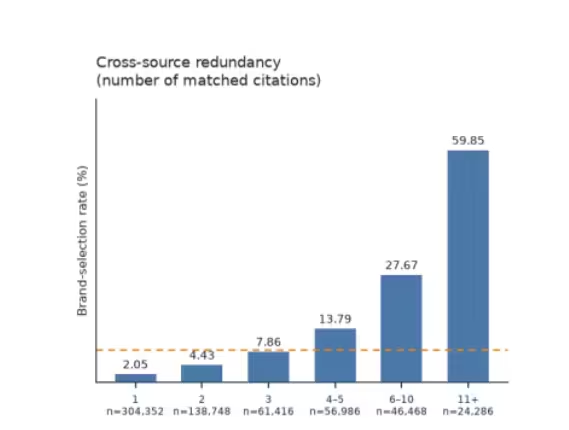
That means the more your business is validated externally, the better the chances of appearing in the AI results.
That said, GEO link building can be particularly valuable for earning third-party validation to influence both AI and search.
Not all third-party sources carry the same value when it comes to AI visibility. Targeting the websites that already appear in AI answers for the topics you’re associated with is the better approach.
For example, if AI answers for your target queries consistently cite Forbes or The Guardian, earning coverage from these sources becomes useful, especially when AI visibility is a priority.
What sources are cited frequently for the topics relevant to your brand? Identify those and reach out to them.
To build a strong off-page strategy, there are several stages to work through. In this section, I’ll go through the steps that will help strengthen your brand presence.
Start by defining the entities your brand should be associated with. An entity is a distinct thing that search engines can identify and understand as a subject.
Next, define your product category, the audience you serve, and the problems your product solves. These should guide the topics you want your brand associated with across the web.
For example, a CRM platform built for small B2B sales teams might prioritize CRM software, lead management, and sales follow-up automation. The intended association is more specific than “CRM software”: a CRM for small B2B teams that need to organize leads and automate follow-ups.
Base these associations on your product’s actual capabilities, then use them to guide the coverage you pursue and how your brand is described.
Whether you earn a backlink, a brand mention, or inclusion in a comparison, the placement should connect your product to a relevant category or problem it solves, rather than simply include its name.
Once you’ve defined what entities and topics you should be focusing on, you need to assess how your brand is performing against those priorities.
For that, audit how your brand is currently being represented across the web.
Check your backlinks, referring domains, brand mentions, reviews, and AI citations to understand where your brand has visibility and where the gaps are.
I recommend Ahrefs for checking the links pointing to your site and referring domains so that you can assess the diversity and quality of backlinks. Ahrefs is also useful for tracking web mentions.
For AI visibility, you might want to check Trendos, as they help you watch where and how your brand appears in AI-generated answers.
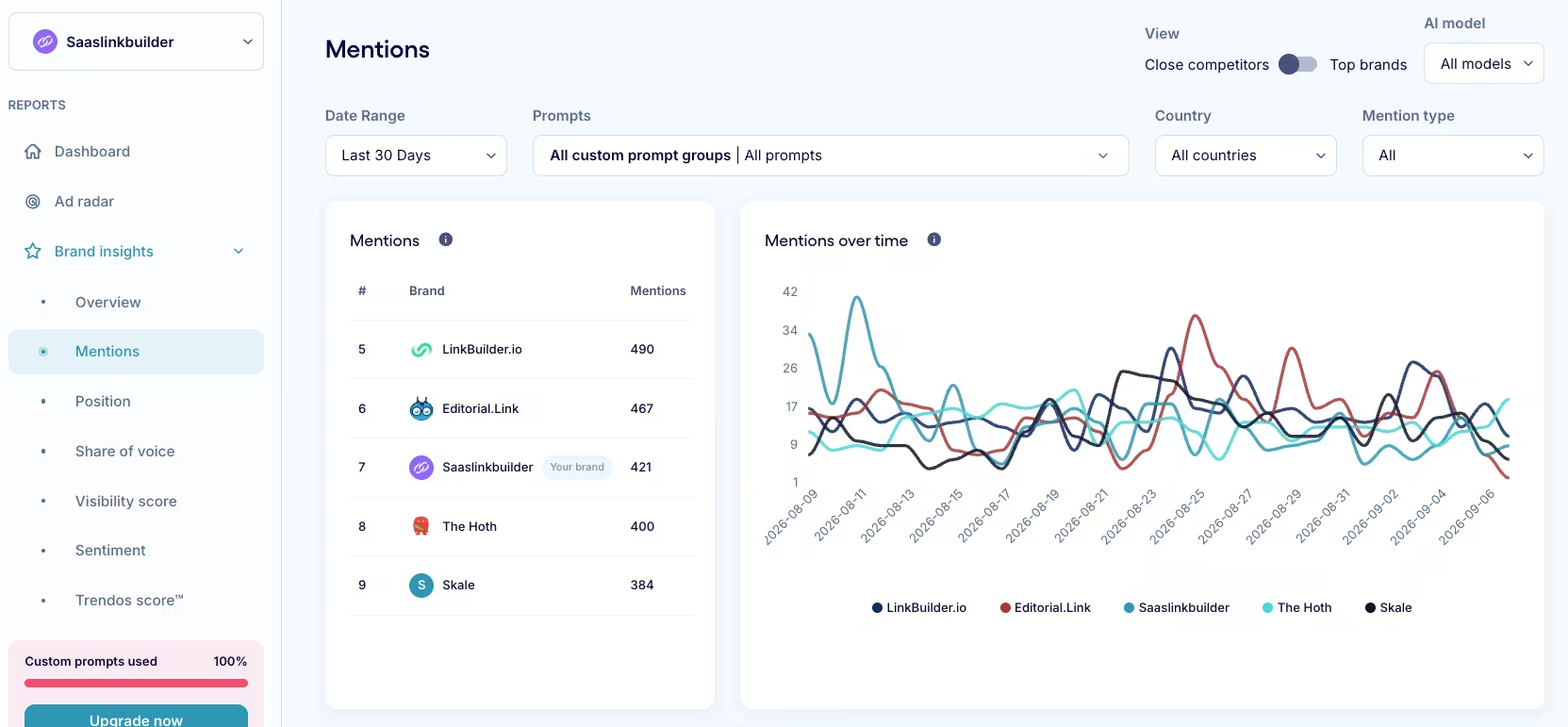
Competitor analysis is a great way to understand how your competitors build their presence outside their own websites.
Look at what successful competitors are doing differently.
Answering these reveals where your close competitors are gaining external validation that your brand might be missing.
At saaslinkbuilder, I source opportunities from two main places: Google SERPs and sources already being cited in AI answers.
For Google, I start with the obvious category searches. If you offer CRM software, that could include queries like “best CRM software” or “best CRM for small businesses.”
I also look at problem-based searches such as “how to manage sales leads” or “how to automate sales follow-ups” to find pages where mentioning a CRM could naturally help the reader.
I apply the same principle to AI search. I track relevant prompts, identify which third-party pages are cited most frequently, and add those sources to the outreach pool when there is a natural opportunity for the client to be included.
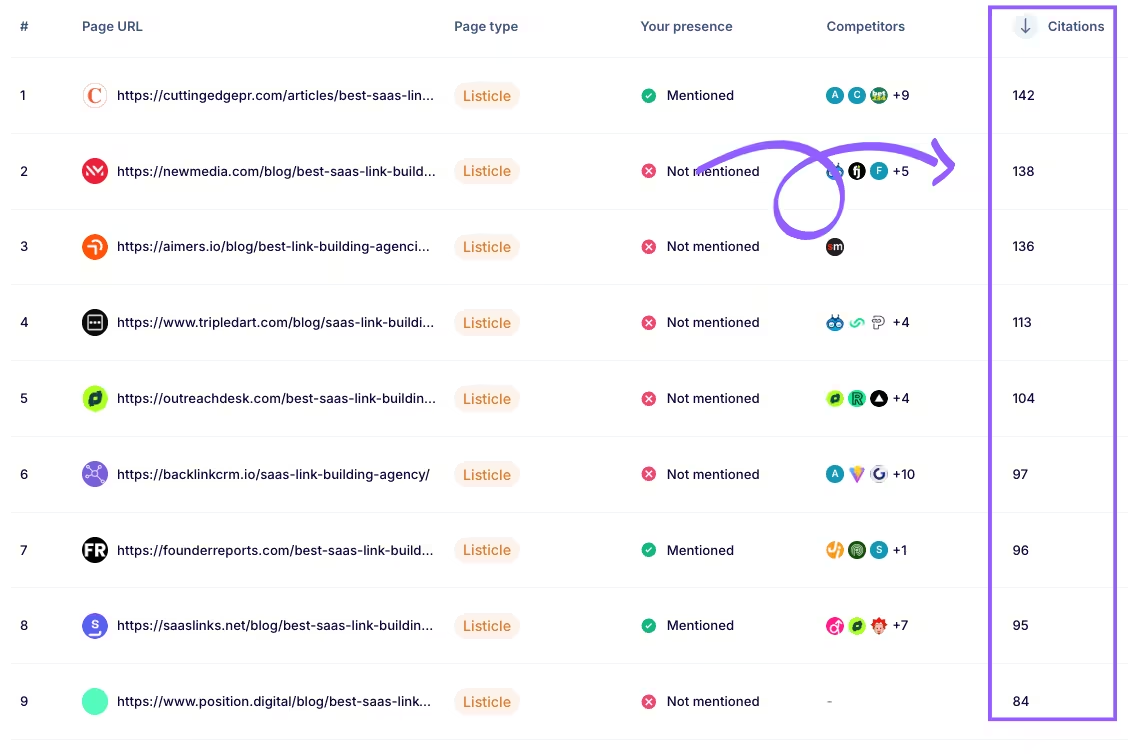
Once I have a list of potential sources, I evaluate each opportunity at three levels using my evaluation methodology:
Outreaching to the most suitable sources won’t get you anywhere if you don’t give them a valid reason to mention your brand.
Creating original research, useful resources or tools, and expert insights can make your content worth referencing by relevant third parties, which lies at the core of a white-hat link building approach.
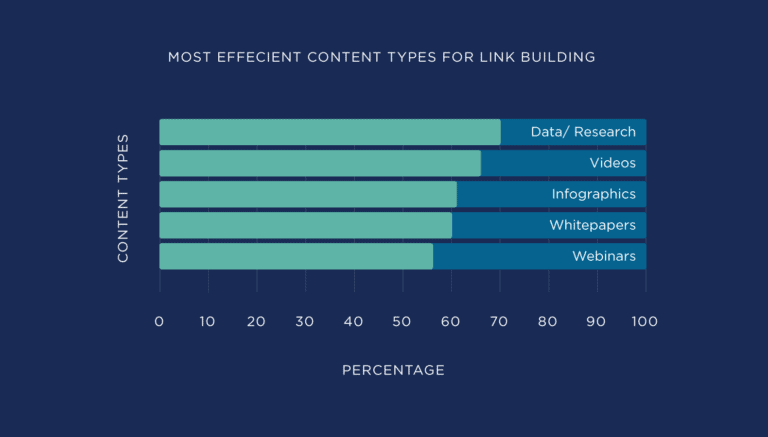
According to Backlinko, original research and data are among the most efficient content types.
Alternatively, you can approach publishers with something useful or valuable, like a link exchange.
Off-page SEO becomes more effective when you build ongoing relationships with prospects who are relevant to your brand.
According to BuzzStream, journalists who replied to an initial outreach email were 1.5 times more likely to open another email from the same sender.
The difference is even greater when it comes to responses. Those who had responded once were 19 times more likely to reply to another email from that sender.
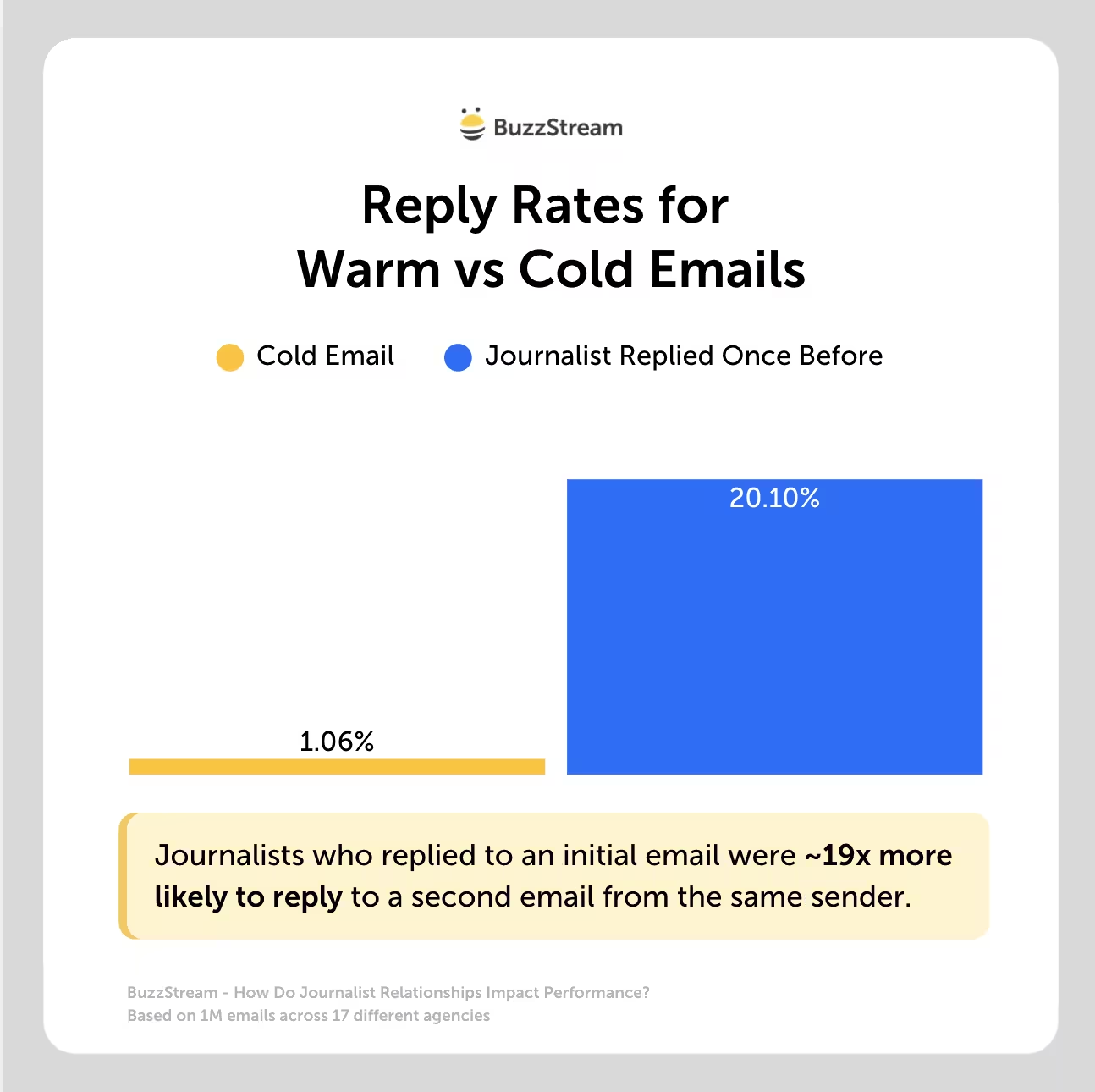
This goes to show that meaningful relationships you build with relevant publishers can reflect on your efforts like link-building outreach.
You cannot measure off-page SEO through rankings alone. A solid framework combines traditional SEO metrics with brand and reputation indicators, as well as AI visibility metrics.
Tracking traditional SEO metrics helps you measure whether your off-page efforts are improving your website’s position in the SERPs.
Monitor growth in referring domains and backlinks, as this can translate into a stronger external presence and greater visibility.
If your search visibility increases, you’ll get more visitors to your website, which will show in organic rankings and traffic.
While this alone isn’t a sole indicator to measure success, these metrics help get a clearer picture of whether improvements in your external presence are moving the needle.
Metrics tied to your brand and reputation are a great way to see whether your off-page activities are bearing fruit.
Track brand mentions, branded search volume, and sentiment. The quality and relevance of the sources mentioning your brand are also worth keeping a tab on.
These metrics help you understand whether more people are discovering or searching for your brand.
Beyond that, watch reviews and what people are discussing about your brand on social media platforms and communities like Reddit.
Then, you’ll have a clearer picture of how your brand is perceived.
Closely watching where your brand appears in AI-generated answers can also help you measure the progress of your off-page optimization.
Brand mentions and citations, the sources behind these citations, and the contexts in which your brand is mentioned or recommended, can all help you measure changes in your AI visibility over time.
I’ve made my fair share of off-page SEO mistakes, and a few taught me lessons the hard way. Here are the ones I’d recommend avoiding:
Looking for an off-page optimization plan but need help putting it together? Whether you need a SaaS link building strategy or help with your broader off-page approach, I can assist.
At saaslinkbuilder, I make sure every client I work with has a thorough, well-planned strategy built around their business and goals. Give me a call, and let’s talk about the details.
No. While link building is one of the most common tactics of off-page SEO, it isn't the only one. Brand mentions, reviews, citations, and other forms of third-party visibility also contribute to off-page SEO efforts.
Yes. Unlinked mentions can contribute to your brand visibility, as you establish associations between your brand and relevant topics. While they don’t pass link equity, these mentions are valuable for your off-page strategy.
A good off-page SEO signal is relevant, credible, and contextual. A mention or a link from a source that AI systems and search engines trust is more valuable than a large volume of mentions or an irrelevant one.
A strong strategy combines both. Backlinks remain a significant ranking factor. Meanwhile, brand mentions can help boost reputation and associations around your business.

Article by
Mykolas is the founder of saaslinkbuilder and has built over 5,000 high-quality links for SaaS companies. He got his start working with top Lithuanian SaaS brands and now shares insights on link building, content marketing, and SEO.

Book a Free Consultation

saaslinkbuilder is a SaaS link building agency for Google & AI visibility
Copyright 2026 - saaslinkbuilder
