

Link building for SaaS is a fundamentally different game.
For one, it’s a crowded, fiercely competitive market. Everyone wants to rank high for the most searched keywords.
At the same time, the buyer is savvy enough not to impulse buy software. In a saturated market, SaaS consumers tend to compare options and dig into reviews. They want proof.
Said proof comes from authority signals — backlinks provide it the strongest. Ahrefs’ research also shows that substantial backlink profiles lead to significantly more traffic.
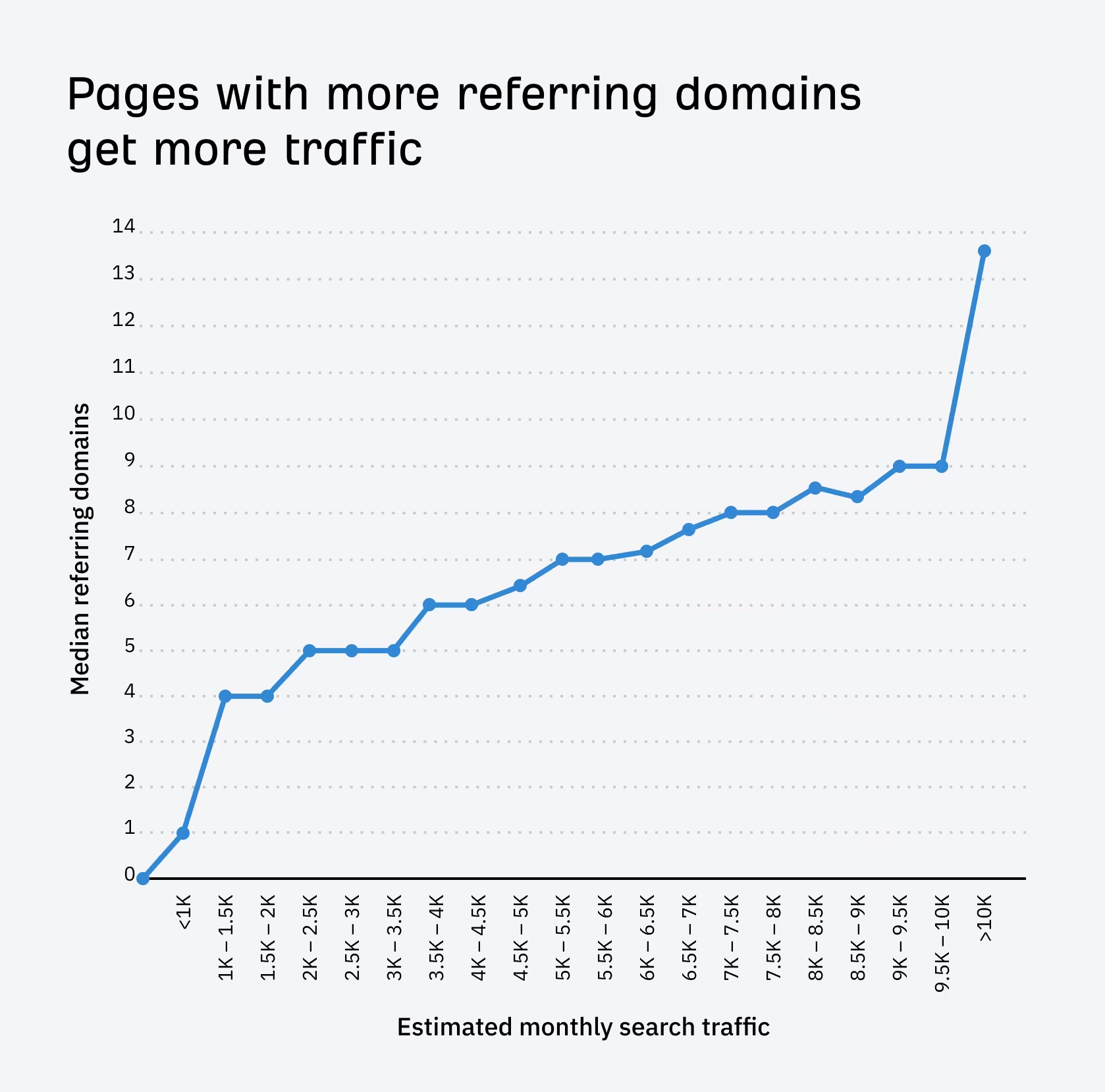
While important, landing a handful of them isn’t enough for SaaS link building. Establishing a sustained authority in that niche matters the most.
Doing so doesn’t happen with a copy-paste strategy either.
In this article, I’ll help you decide which SaaS link building strategies are worth pursuing if you want to outrank your competitors.
Link building for SaaS means getting niche-relevant backlinks from other SaaS and closely related industry websites to your site.
At its core, SaaS link building is similar to its traditional counterpart, as both focus on relevance. The difference is that SaaS link building aims to rank pages that drive demos, trials, and signups.
From what I’ve seen, a more deliberate approach leads to success. You don’t just go around and outreach for link building just for the sake of links, for example.
You need to work with intent — that includes targeting the right sites that attract your audience, placing links where they make sense in your niche, and having conversations with industry publishers.
Link building matters for SaaS because backlinks help your most important pages rank higher in search results.
That means more potential buyers can discover your content, product pages, comparison pages, and free tools.
This is especially important because SaaS buyers rarely make quick decisions. Before signing up or booking a demo, they usually:
That is why many SaaS companies invest heavily in content.
They create blog posts, comparison pages, templates, reports, and use-case pages to educate buyers throughout the decision process.
But content only works if people can find it. If your pages do not rank, they will not support the buyer journey, no matter how useful they are.
That’s where the main backlink benefits come in. They improve your site’s authority, make your content more competitive in search, and help your brand appear across the third-party sources buyers use to evaluate software.
This matters even more now that buyers use AI tools to compare products.
Brand mentions, listicle placements, and relevant backlinks can help your SaaS appear in more discovery paths, not just traditional Google results.
A good SaaS link-building strategy focuses on highly relevant, targeted links that match your product and audience.
When I say “relevance,” I don’t only mean the same niche or the industry. There is more to it.
A free tool, product page, or blog post all attract different link types. I’ve seen most teams miss this and apply one strategy across assets that behave nothing alike.
Because of that, the strategy has to be built around how each page type earns links.
That’s where SaaS link-building services come in. A good one understands which strategy you need and uses your assets to build on those differences, rather than forcing generic tactics on you.
Based on my experience, there are five strategies that perform the best for SaaS. Below, I will explain what these strategies are in detail.
A link exchange happens when two websites agree to link to each other’s pages. It’s a common link building strategy that also often occurs naturally. Ahrefs found that 76.3% domains have reciprocal links.
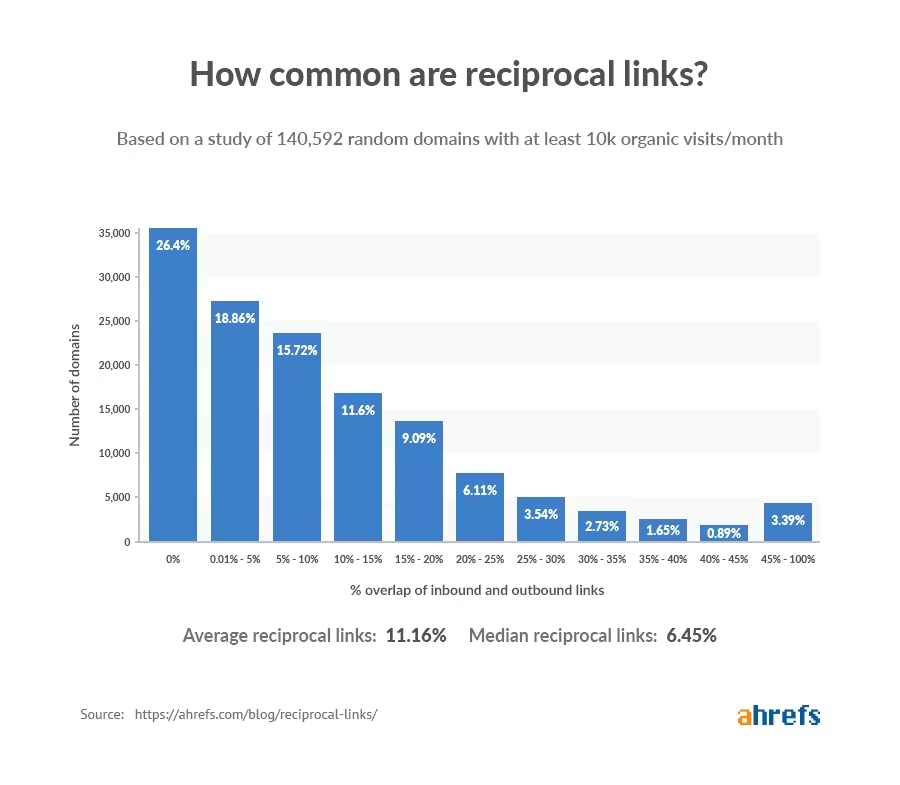
If you want to build highly authoritative relevant links in your niche and stay in control of where and how they appear, link exchanges can be very effective. They can also help you establish meaningful connections within the industry.
However, link exchanges bring value only when done selectively. You need to vet the sites you partner with and avoid exhausting the method.
It’s because frequent link exchanges with low-quality sites create unnatural link patterns that make it clear the tactic is being abused. In that case, your backlinks could be flagged by the algorithm and devalued of any link equity.
At saaslinkbuilder, I use link exchanges to secure links from other credible SaaS sites without placing links on clients’ sites. Every opportunity is vetted to avoid creating obvious patterns.
Listicle link building involves getting your site or product featured in list-style articles. These are typically best, top, or comparison posts.
Listicles account for 21.9% of AI mentions — one of the best formats for SaaS product discovery and they bring referral traffic that’s likely to convert.
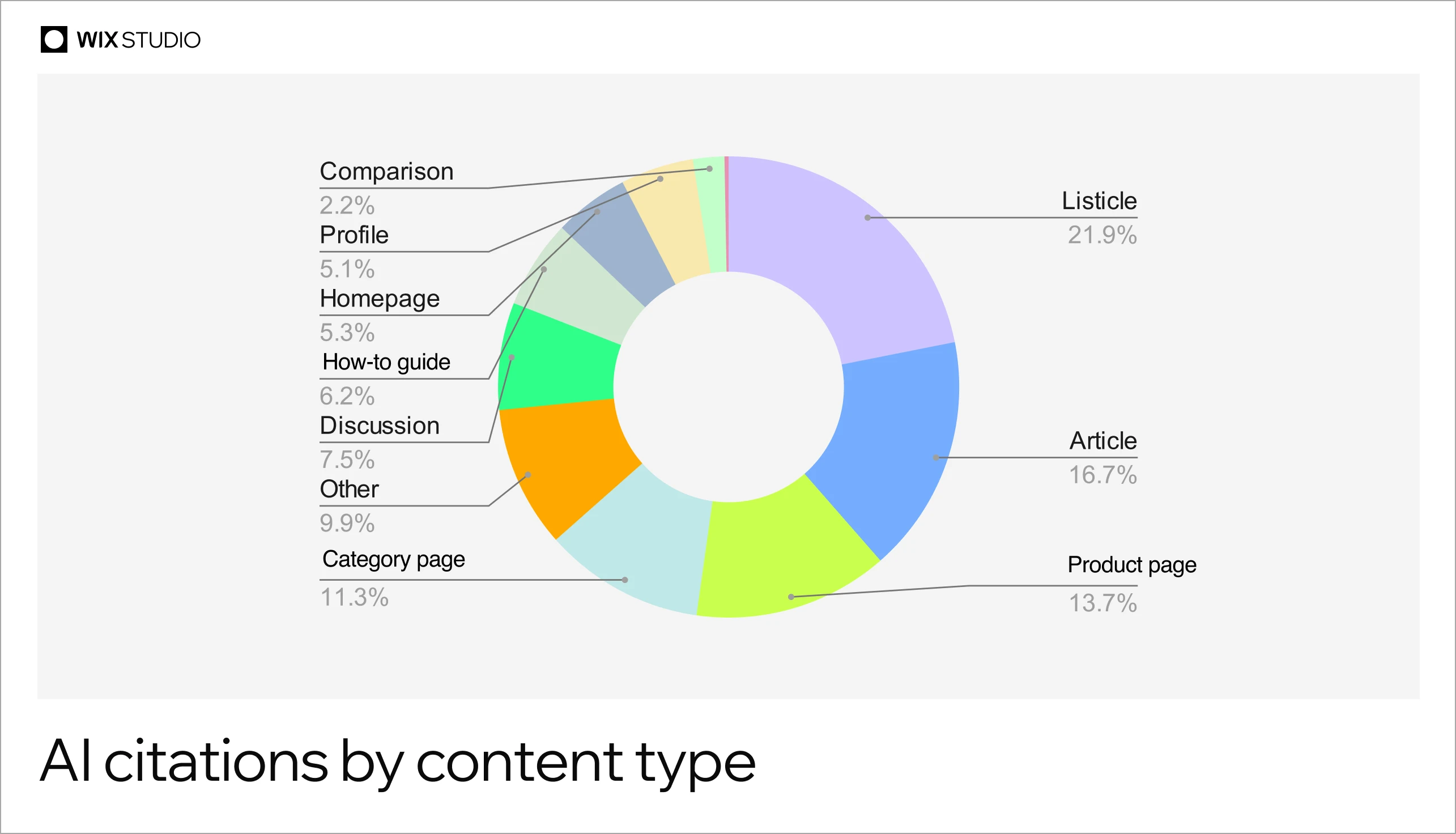
This approach works when the listicle is actively updated and sits on a neutral site, such as SaaS-adjacent sites or affiliate blogs, rather than on direct competitor pages.
Listicles are generally low risk, but there are still considerations — such as ensuring the listicle appears on a legitimate editorial page. A penalized domain or a link farm will do more harm than good.
I like to use listicles for GEO link building. When done correctly, I believe it’s one of the most efficient ways to secure relevant placements and increase chances of getting cited in AI results.
Brand mention link building is finding existing mentions of your brand or product and requesting the site owner to link to you. It’s best for SaaS companies that already have some recognition.
Brand mentions help businesses become more discoverable in AI search. An Ahrefs study shows they have the strongest correlation with brand appearances in AI overviews.
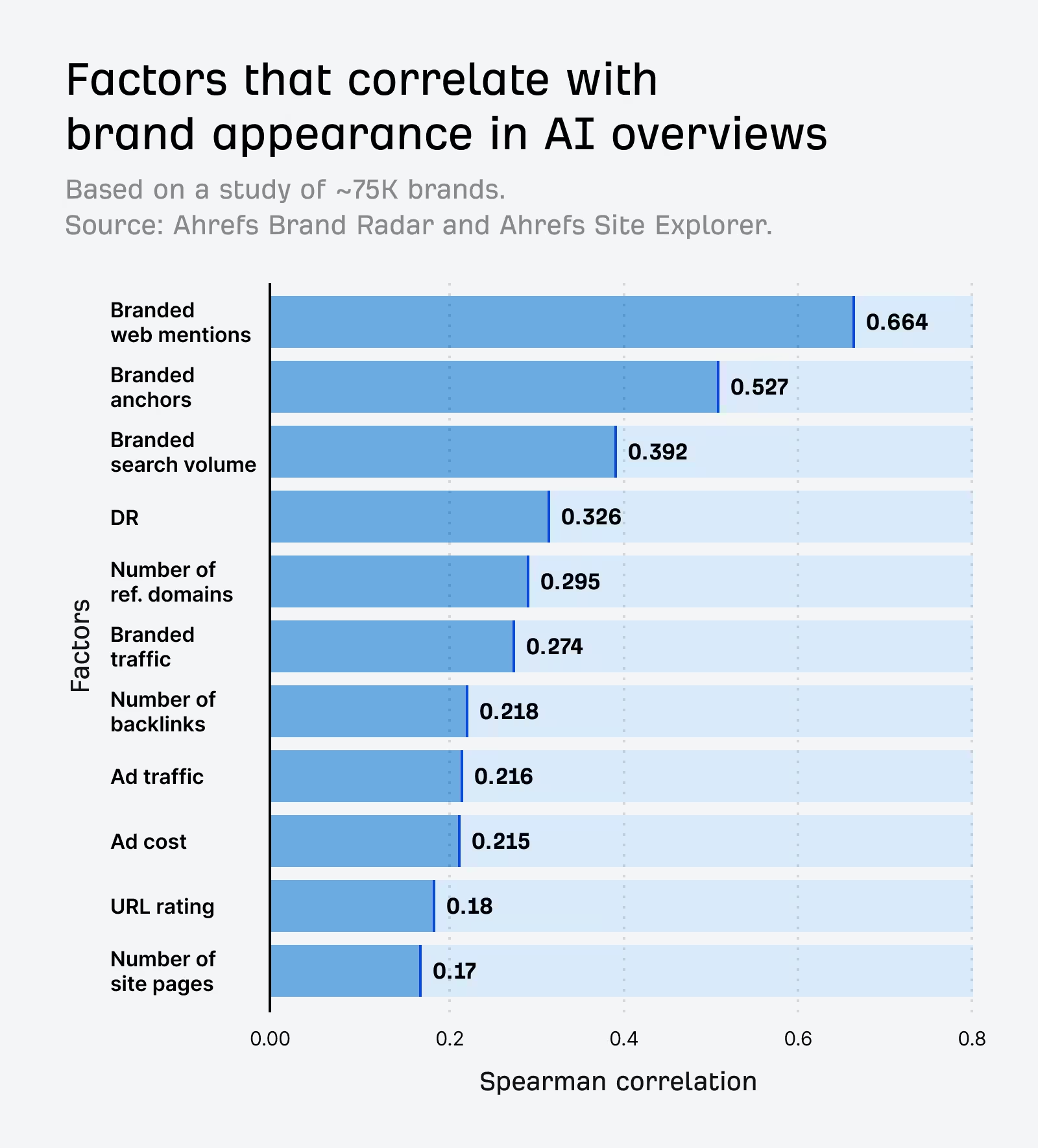
It works particularly well when your brand is already being referenced but not linked, which creates a warm opportunity to turn those mentions into backlinks.
Scaling is limited with this method, especially if you only reclaim mentions. If the content is old or not maintained, there is little to no guarantee that publishers will add links.
At saaslinkbuilder, I offer brand mention services that include identifying unlinked opportunities and creating contextual SaaS mentions where appropriate to link your brand.
Digital PR is about getting backlinks through media coverage. You create assets like reports or studies that earn you links. Expert commentary is a subset where your quotes are published with backlinks.
It’s one of the most effective link building strategies, according to Editorial.Link’s statistics. It’s best for boosting your brand's credibility, reputation, and trustworthiness alongside backlinks.
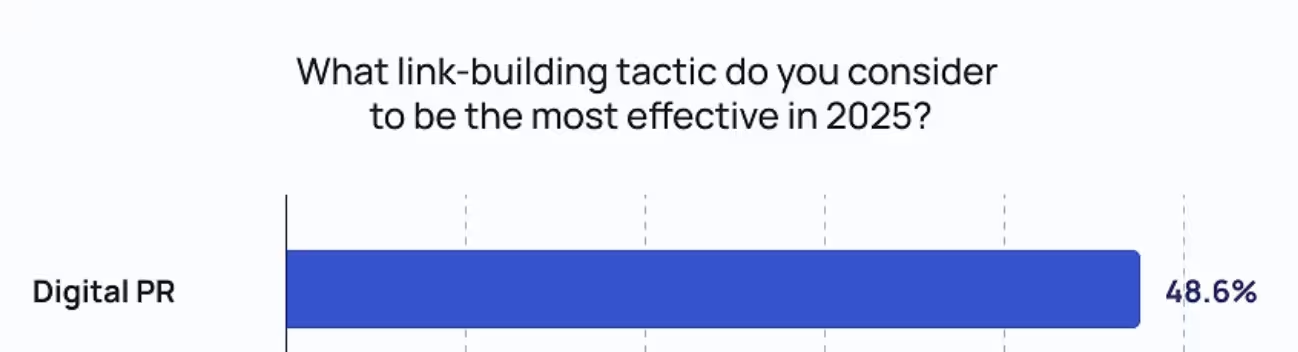
Digital PR and expert commentary work when you have something newsworthy or data-driven to offer. Particularly suited to SaaS, where both product data and expert insights can generate assets for coverage.
While effective, it can be expensive and time-intensive. In addition, success will depend on whether you have strong assets or expertise that journalists want to use.
Overall, digital PR and expert commentary are strong for building links, but if you’re looking for an easy-to-scale or predictable strategy, it’s not it.
Link building through linkable assets means creating useful resources, such as a free tool or in-depth content, that attract backlinks from other websites.
Linkable assets are best for building content that people want to share, and that stays valuable over time. In fact, a survey shows that most SEOs use content to generate links.
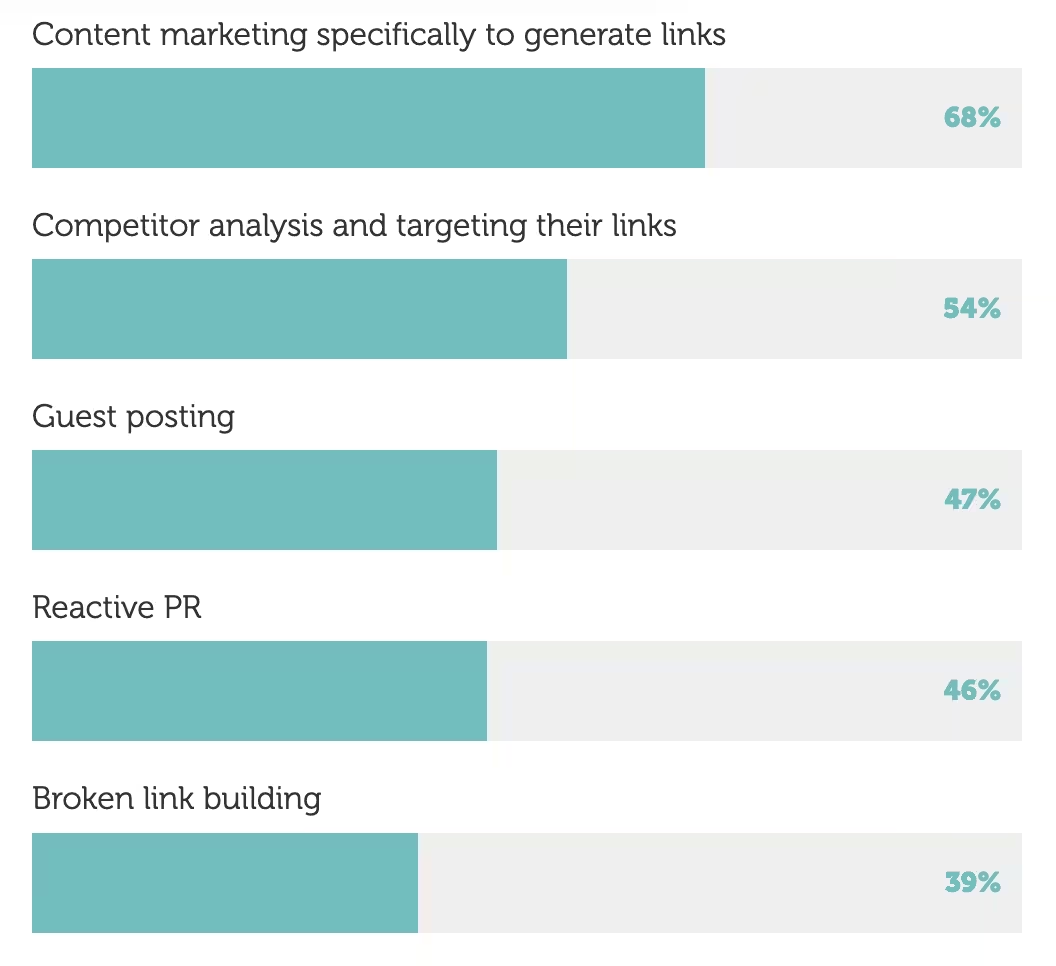
Linkable assets work well when you choose and execute strategically. If your SaaS product cannot support a calculator that others can benefit from, an interesting data or study will still work.
A great example would be Typeface’s in-depth report on content marketing statistics. Although it was published around November 2024, it generated more than 750 backlinks.
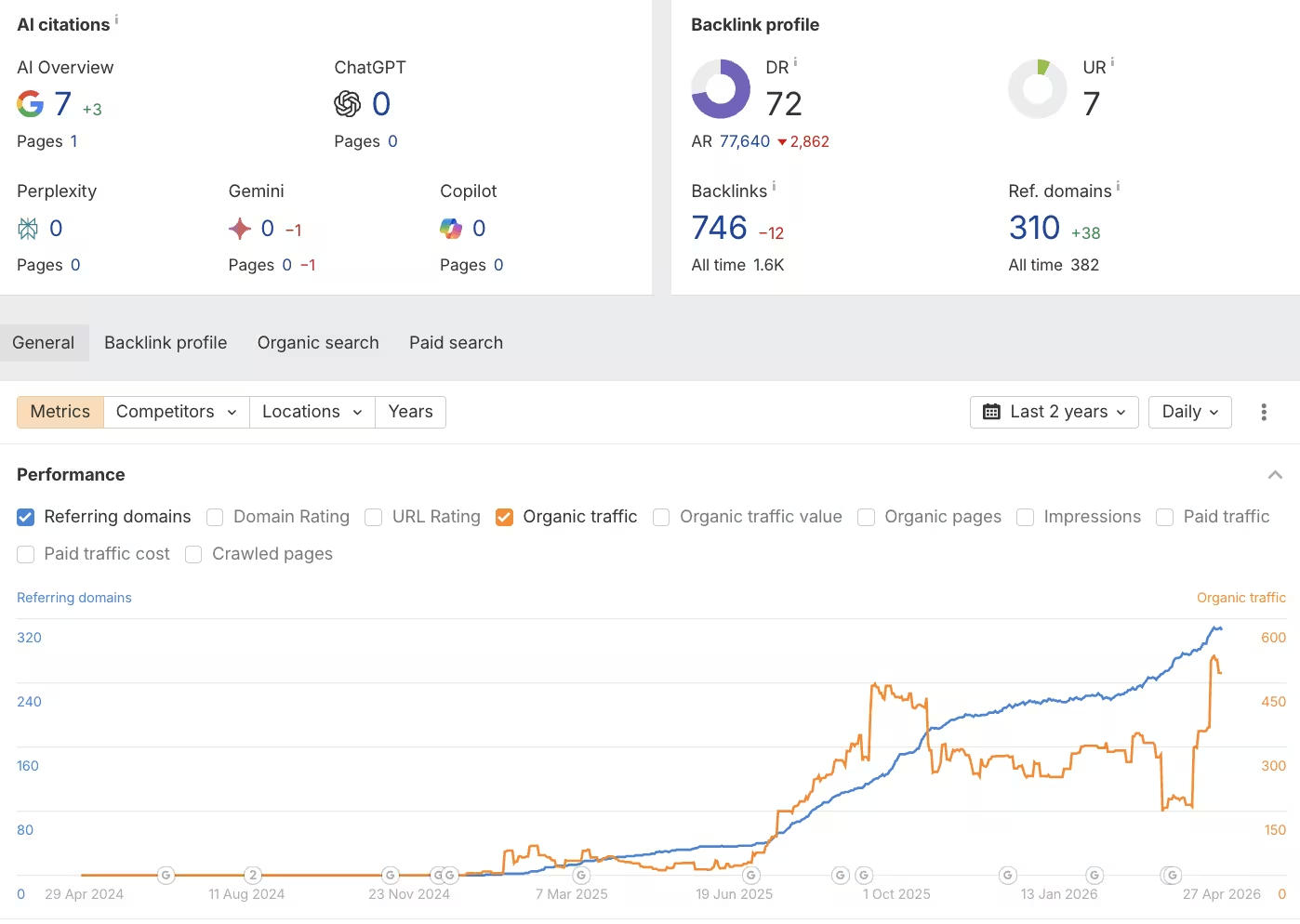
That said, creating linkable assets can be expensive and time-consuming. They need to be relevant, valuable, and distinct enough to stand out.
Personally, linkable assets are worth investing in only if you have the resources to do so. When done properly, they pay off.
To choose the right strategy, you need to define what you want to achieve.
If your priority is ranking for specific keywords, go for highly relevant placements. That means finding brand mentions or working with listicle link building services to get featured on pages that already rank.
As Sanjay Shenoy puts it, “Relevance matters more than metrics, as they can be inflated. A smaller, topically aligned website will outperform a random, high-DR one.”
Whereas, if the goal is consistent, scalable links, consider investing in linkable assets. Tools, templates, data — you name it. While it takes more effort, it compounds.
From what I’ve seen, the mistake most people make is picking a strategy first and forcing it. Define your goal, then match the strategy to it instead.
Measuring link building results is as important as acquiring links themselves. And it doesn’t end with knowing how many backlinks you’ve got at the end of the day.
Here’s a quick shortlist of some of the quantitative and qualitative metrics you can keep an eye on to measure your link building efforts:
That said, link building metrics you can chase after aren’t limited to this shortlist. It depends on how deeply you want to delve and on the specifics of your campaign.
If all of this feels too much to track, you can also work with the best SaaS link building agencies. Good services handle tracking and reporting for you.
At saaslinkbuilder, I make sure to keep my clients updated at every stage of the collaboration, so measuring results is never a hassle.
From my experience, the best SaaS link-building strategy depends on your website’s current state and your business objectives. There is no one-size-fits-all solution.
Yes, guest posts still work when done properly. It gives you control over placement, relevance, and anchor text. It’s a reliable way to build links.
Link building results take time to show, no matter what the industry is. You’ll usually see a noticeable impact on rankings and traffic in 1-2 months.

Article by
Mykolas is the founder of saaslinkbuilder and has built over 5,000 high-quality links for SaaS companies. He got his start working with top Lithuanian SaaS brands and now shares insights on link building, content marketing, and SEO.

Book a Free Consultation

saaslinkbuilder is a SaaS link building agency for Google & AI visibility
Copyright 2026 - saaslinkbuilder
